
valPure® Non-BPA Epoxy Coatings
Non-BPA (NBPA) epoxy coatings from Sherwin-Williams
valPure offers high-performance, non-BPA epoxy coatings for food safety and preservation through the V70 line of epoxy coatings.
valPure non-BPA Epoxy Coatings Bulletin


Discovering a New Epoxy Coating - How valPure® V70 Changed the Game
Duration -
Learn how we met market demand by reinventing the non-BPA game with the first-ever non-BPA epoxy coating.
valPure V70 Non-BPA Epoxy Coatings
The new valPure V70 Series of non-BPA* epoxy technologies represents the future of epoxy coatings for light metal packaging.
Epoxy is a widely used coating type with an enduring track record of performance, manufacturability and brand protection. Traditionally, epoxy coatings were based on BPA. Products in the valPure V70 Series, however, are based on an epoxy resin platform not made with BPA.
Products in the valPure V70 series provide can makers with a choice of coating solutions and provide consumers with products they can trust. The valPure V70 Series products are non-BPA solutions designed for performance across food, beverage, and household product segments equal to legacy epoxy coatings and are approved internationally.
The valPure V70 Series goes through a more robust development and safety testing protocol than required by international regulatory agencies. The "Safety by Design" process used by Sherwin-Williams is a product development framework modeled after preclinical pharmaceutical safety evaluation. Safety by Design emphasizes food packaging safety, international regulatory compliance and provides unparalleled coating solutions with market longevity.

Interested in Learning More?
Learn more about valPure® epoxy and the Sherwin-Williams Packaging line of products by contacting a sales representative.
valPure Epoxy Coatings End Uses
| Segment | Coated Side | Chemistry | Color | Application | Substrate | Key Attributes |
|---|---|---|---|---|---|---|
| Segment Beverage Can Spray | Coated Side Interior | Chemistry Water-based | Color Clear | Application Spray | Substrate Aluminum | Key Attributes Interior spray for 2-piece aluminum cans. Applies and fabricates like the BPA containing epoxy-based counterpart. |
| Segment Beverage Can Ends | Coated Side Interior | Chemistry Water-based | Color Clear | Application Coil | Substrate Aluminum | Key Attributes Superior resistance to feathering, low metal exposure, and excellent corrosion resistance. Applies and fabricates like the BPA containing epoxy-based counterpart. |
| Segment D&I Food Cans | Coated Side Interior | Chemistry Water-based | Color Gold | Application Spray | Substrate ETP |
Key Attributes
A water-based interior D&I food can spray with universal pack performance. |
| Segment DRD Food Exterior | Coated Side Exterior | Chemistry Solvent-based | Color Clear | Application Coil/Sheet | Substrate ETP/TFP | Key Attributes A solvent based exterior with excellent scratch resistance. |
| Segment Monobloc Cans | Coated Side Interior | Chemistry Solven-based | Color Clear | Application Spray | Substrate Aluminum | Key Attributes A solvent-based interior monbloc coating with excellent pack resistance for household and personal care products. |
THE AWARD-WINNING VALPURE V70

BIG Product of the Year - 2023 Sherwin-Williams valPure® V70 has been named the Sustainability Product of the Year in the 2023 Business Intelligence Group Sustainability Awards, which recognizes companies who have made sustainability an integral part of their business practice.
Seal Award Winner - 2022
The SEAL Sustainable Innovation Award honors game-changing ideas and products that pave the way to a sustainable future. In winning this award, SEAL recognizes that valPure V70 is a unique and innovative technology that can support and help build a sustainable packaging industry.

Global Good Awards - 2022
Global Good Awards honor individuals and enterprises that are driving social and environmental change. In bestowing the Global Good Award to Sherwin-Williams, organizers recognized the company’s decade- long R&D and stakeholder engagement efforts that brought valPure V70 to market.
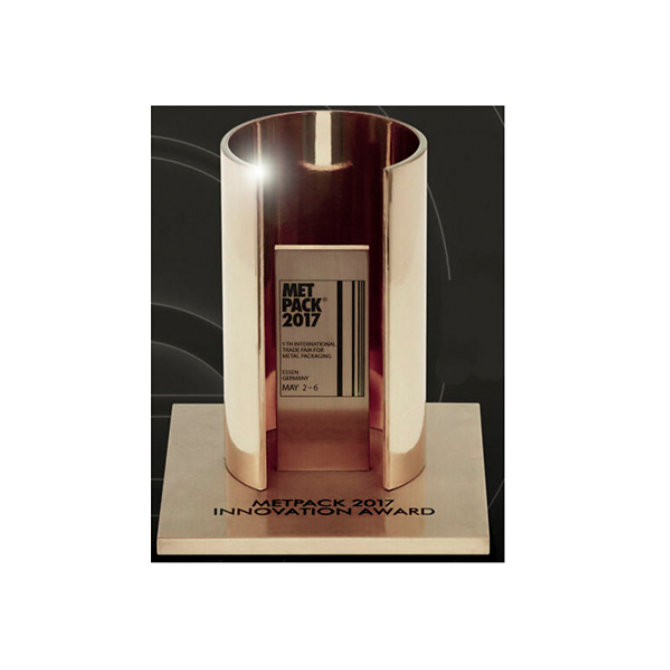
Metpack 2017 Innovation Award
valPure® V70 is a non-BPA epoxy, the only next-generation coating that gives can makers and brands the performance and protection that they have engineered into their packages over so many years.
valPure® V70 Series: FAQs
If you need more information, please contact us.
Contact UsLearn More About Non-BPA Epoxy Coatings


Ask Sherwin-Williams
Have a question? Need a product proposal or technical support for your packaging application? Contact us and let us be your solution provider.
*Non-BPA - This designation indicates that the coating technology is based on polymeric components that are not derived from Bisphenol A.